![business-networking-image-my-blog-2026.jpg]()
It is easy to come home from an evening event in Kuala Lumpur with a stack of business cards and a few good conversations, then realise a month later that none of them has led anywhere.
Business networking means meeting people who could become clients, suppliers, referral partners or sources of advice, then staying in touch until there is a reason to work together. In KL, that first conversation can happen almost anywhere professionals gather, from a formal chamber of commerce briefing to a small founder meetup. A prompt message, a second conversation and, in time, a meeting can turn it into a working relationship.
Events and Groups for Business Networking in Kuala Lumpur
Who you want to meet decides which events deserve your evenings. A consultant looking for corporate clients needs different rooms than a founder looking for a technical partner, so choose two or three event types and keep going back to them instead of trying everything once.
Chambers of Commerce and Industry Associations
Chambers of commerce bring together companies from different industries and run events for their members. The Malaysian International Chamber of Commerce & Industry (MICCI), for example, holds social and networking events for members throughout the year, alongside business briefings and seminars. Industry associations work in a similar way within a single sector, which makes them useful when most of your clients are in one field.
Joining a chamber or association is a commitment of time and money. Before you sign up, ask whether you can attend an event as a guest and see who comes along.
Conferences and Trade Exhibitions
Conferences and trade exhibitions put buyers, suppliers and specialists from one sector in the same halls. The Kuala Lumpur Convention Centre, beside the Petronas Twin Towers in KLCC, is one venue that hosts conferences, exhibitions, trade shows and corporate events. Look through the speaker and exhibitor lists beforehand, pick out a few people you would like to meet, and use the breaks between sessions for conversations.
Meetups, Founder Groups and Alumni Networks
Smaller gatherings can suit people who find large events tiring. Founder meetups, groups built around a trade or a technology, and alumni networks can be more relaxed, and the regulars soon become familiar faces. Search event-listing platforms and social media groups for your industry together with “Kuala Lumpur” and look at who attended past sessions before you book a place. An alumni event also hands you an easy opening line: where you studied and what you have done since.
Workspace Communities
Shared workspaces with an active member community are another place to meet people, especially for freelancers and small teams who spend much of the week working alone. Some host talks, workshops and social evenings, and a conversation started at an event can carry on the next morning by the coffee machine.
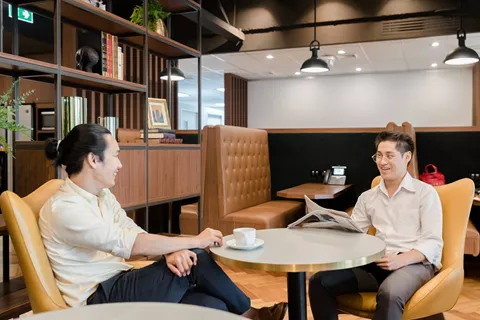
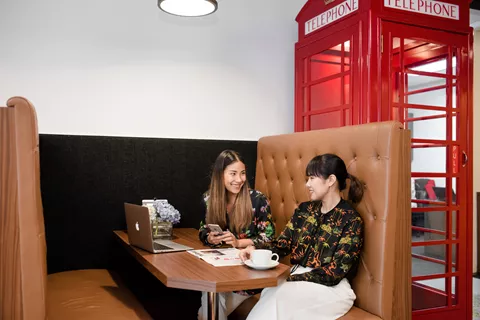
Servcorp's coworking space at Ilham Tower, on Level 33 in KLCC, is one example. The centre hosts community events, and members can connect with Servcorp's community of more than 50,000 businesses to network with, buy from and sell to. Meeting rooms in the centre can be booked as needed when a new contact agrees to sit down and talk.
Introducing Yourself in About 30 Seconds
At almost any event, someone will ask what you do. A short, plain answer gives the other person something to respond to. Aim for three parts: who you help, the problem you solve for them and a recent example, then hand the conversation back with a question.
A freelance bookkeeper might say: "I help small logistics firms in the Klang Valley keep their month-end accounts in order. Last quarter I moved a family-run haulier off spreadsheets. What about you?"
Practise your version aloud until it sounds like you talking. Adjust it for the room, too: a chamber lunch calls for a more formal version than a founder meetup. Leave out jargon and anything that sounds like a sales pitch.
Opening and Closing Conversations at an Event
Starting a Conversation
The event itself gives you an easy opener. Ask what someone thought of the speaker, what brought them along or whether they have been before. A group of three or more is usually easier to join than a pair deep in conversation: stand at the edge, listen for a moment and introduce yourself at a natural pause.
Arriving early helps. The room is quieter, and the organiser may have time to introduce you to a few guests.
Moving On Politely
At a busy event, aim to keep a first conversation to ten or fifteen minutes. When it is time to move on, thank the person, mention a next step if there is one and swap contact details. Introducing them to someone else you have met is a generous way to close.
Afterwards, jot a line on the back of their card or in your phone about what you discussed. You will need it for the follow-up.
Following Up After the Event
Send a short message within a day or two, by email or LinkedIn, and mention something specific from your conversation so the other person can place you among everyone they met. If there is a clear reason to meet again, suggest it. If not, a friendly message is enough for now.
A good follow-up offers something before it asks for anything: an article you mentioned, an introduction to someone who could help or a note that you enjoyed their talk. For example: "Good to meet you at Tuesday's briefing. You mentioned you were looking for a payroll provider who works with small firms. Daniel, who set up ours last year, is happy to talk, so I have copied him in."
Keep a simple record of who you met, where, what you talked about and anything you promised to send. A spreadsheet will do if you check it before each event and whenever an opportunity comes up.
Staying in Touch Online Between Events
Connecting on LinkedIn after an event keeps you visible with little effort. Add a personal note to the connection request, and over the following months comment on the person's posts when you have something useful to add or send a short note of congratulations when they mention a new role or project. Pitching your services straight after connecting can undo the goodwill of a pleasant first conversation.
Turning a New Contact into a Meeting
When a conversation points to something concrete, such as a possible project, a referral arrangement or a client you both serve, suggest a meeting. Be specific: say what you would like to discuss, propose thirty minutes and offer two or three times.
Choose a place that suits the conversation. A coffee works for getting to know each other, and if you both work in or near the city centre, a café in the KLCC business district can be easy to reach. A discussion about a project or a proposal is easier somewhere quiet and private, where you can open a laptop and talk freely.
Prepare one or two questions and an idea of what you could offer. Before you finish, agree who will do what, and send a summary that day so that you both have the same record of the plan.
Making Networking a Habit
Professional relationships tend to grow through repeated contact more than through a single good evening. A realistic routine for a busy founder or consultant might be one or two events a month, a message after each one and a few minutes a week keeping in touch online. Every few months, look through your list as well: a short note to someone you have not spoken to for a while can reopen a conversation that went quiet.
Frequently Asked Questions